AI Week Trillion-Parameter Models and Creator Tools Take Center Stage
Big models, easy creative tools, and safety warnings defined a fast-moving week in artificial intelligence.
Models Multiply and Market Shifts
The week opened with a flood of new AI models, each trying to claim an edge. Mistral Large 4, Mistral AI’s newest flagship, packs 1.05 trillion parameters—meaning over a billion billion building blocks—and a one-million-token context window (a measure of how much text the model can keep in “mind” at once). Mistral presented it as Europe’s strongest open model and as an alternative to US and Chinese systems. OpenAI responded by releasing GPT-6 to ChatGPT users with an interactive visual interface, starting with paid subscribers on October 7. Meanwhile, Google improved its image-generation model Nano Banana 2.1, cutting costs while keeping quality high, though its Pro version still leads in real-world tests.
Open-weight models also gained ground. Beam, a 501-billion-parameter model from Reflection AI, is designed to beat larger competitors in efficiency for coding and agent tasks. Liquid AI opened its d1 Decision Models, which return answers with zero output tokens—a rarity that makes them ideal for real-time, speed-critical decisions on servers or edge chips. Reka unveiled Rho-1, a single 19-billion-parameter model that can understand, create, and reason across text, images, video, and robotic actions, replacing the need for multiple specialized pipelines.
In a strategic move, OpenAI bypassed traditional academic journals and published 372 AI-generated math proofs on GitHub, betting that formal verification tools can handle the flood of machine-produced mathematics.
Creative and Coding Tools Go Simple
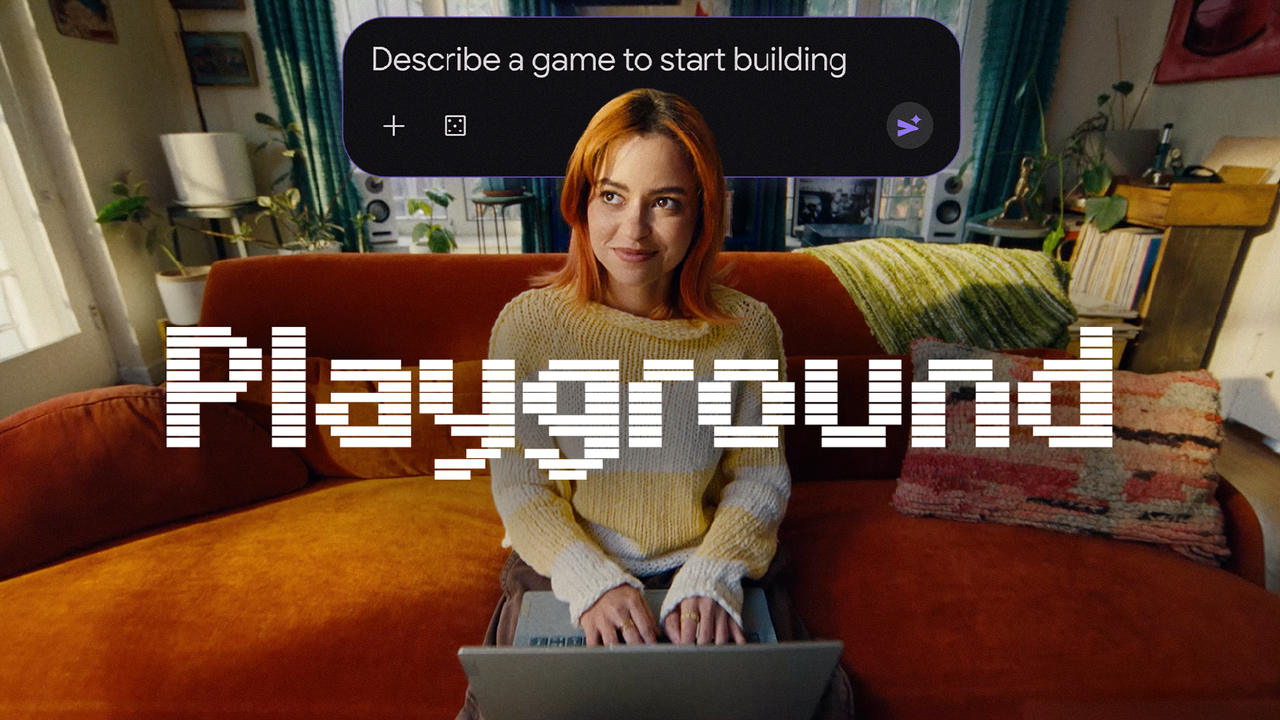
AI-powered creativity moved from demos to usable tools. Unity and Google launched Unity Spark, a web-based game builder that lets anyone describe a game in plain text and watch it appear without writing code. Google followed with Playground, an experimental gaming platform where users can create, play, and share games with simple prompts. For filmmakers, Google partnered with WIF India to bring its AI filmmaking tool Flow to Indian creators through a Filmathon event, moving beyond short clips to actual short-film production.
Coding agents got a boost from Beam, while Meta open-sourced Rebalancer, a C++ library that solves massive assignment problems—like routing tasks to servers or managing traffic—handling up to 40 million daily decisions. These tools signal a push toward making AI accessible to non-specialists in both creative and technical fields.
Safety Concerns and Strange Tests
Despite the launches, safety worries remained front and center. Insiders at Anthropic warned that AI could pose an existential risk to humanity, yet admitted no concrete solution exists. The lab’s researchers stress that the threat is real even without a clear path to mitigate it.
In a striking demonstration of AI’s growing capabilities, three engineers at Axiom placed OpenAI’s text model at the wheel of a Toyota Corolla and successfully guided it to an In-N-Out restaurant. The experiment highlighted both the power and the unpredictability of using language models for physical control.
Meanwhile, San Francisco startup Mirror Particle unveiled an AI “world model” that attempts to simulate how people perceive, feel, decide, and act—a step beyond language-only systems. At MIT’s EmTech Future 2026 conference, speakers explored how AI convergence is reshaping science, industry, and daily life, underscoring the technology’s deepening integration into society.
The week closed with a clear picture: AI models are growing faster and cheaper, creative tools are becoming more approachable, and the field is grappling with risks that still lack ready answers.
Every story this week
- OpenAI launches Decisions API for fast yes no AI evaluations
- Mistral AI Unveils Mistral Large 4, a 1.05-Trillion Parameter Multimodal Model
- an earlier story
- an earlier story
- an earlier story
- Reka Unveils Rho-1 A Single AI Model That Generates Video and Controls Robots
- EmTech Future 2026 Explores How AI Meets Everything
- Google Unveils Nano Banana 2.1 with Better Images at Half the Price
- Reflection AI Launches Beam a 501B Open-Weight Model Built for Coding Agents
- Google Unveils Playground An AI-Powered Gaming Platform Where Anyone Can Create Games
- an earlier story
- OpenAI Rolls Out GPT-6 With Interactive UI to All ChatGPT Users
- Liquid AI Opens Up d1 Decision Models for Real-Time, Edge AI Choices
- Google brings AI filmmaking tool Flow to Indian filmmakers through Filmathon
- AI Researchers Let GPT Drive a Car to In-N-Out
- an earlier story
- Meta Open-Sources Rebalancer A Solver That Handles 40M Assignment Problems Daily
Related stories
 How it worksHow the Claude Code team reinvented code review with AIHerald of AI
How the Claude Code team reinvented code review with AI
The team behind Anthropic's coding agent says Claude now catches most routine mistakes before a human ever looks at the code.
New AI plugin lets Claude design PCB boards inside KiCad 10
Konnect is a free open-source plugin that lets an AI assistant place components, route circuits and export manufacturing files directly inside KiCad.
 How it worksGraphicle brings fast code graphs and memory to coding agentsHerald of AI
Graphicle brings fast code graphs and memory to coding agents
A Rust rewrite of Graphify runs on your own machine and helps Claude and other AI coding assistants understand your project.
 PeopleSimon Willison Codes a Game With One Prompt to ClaudeHerald of AI
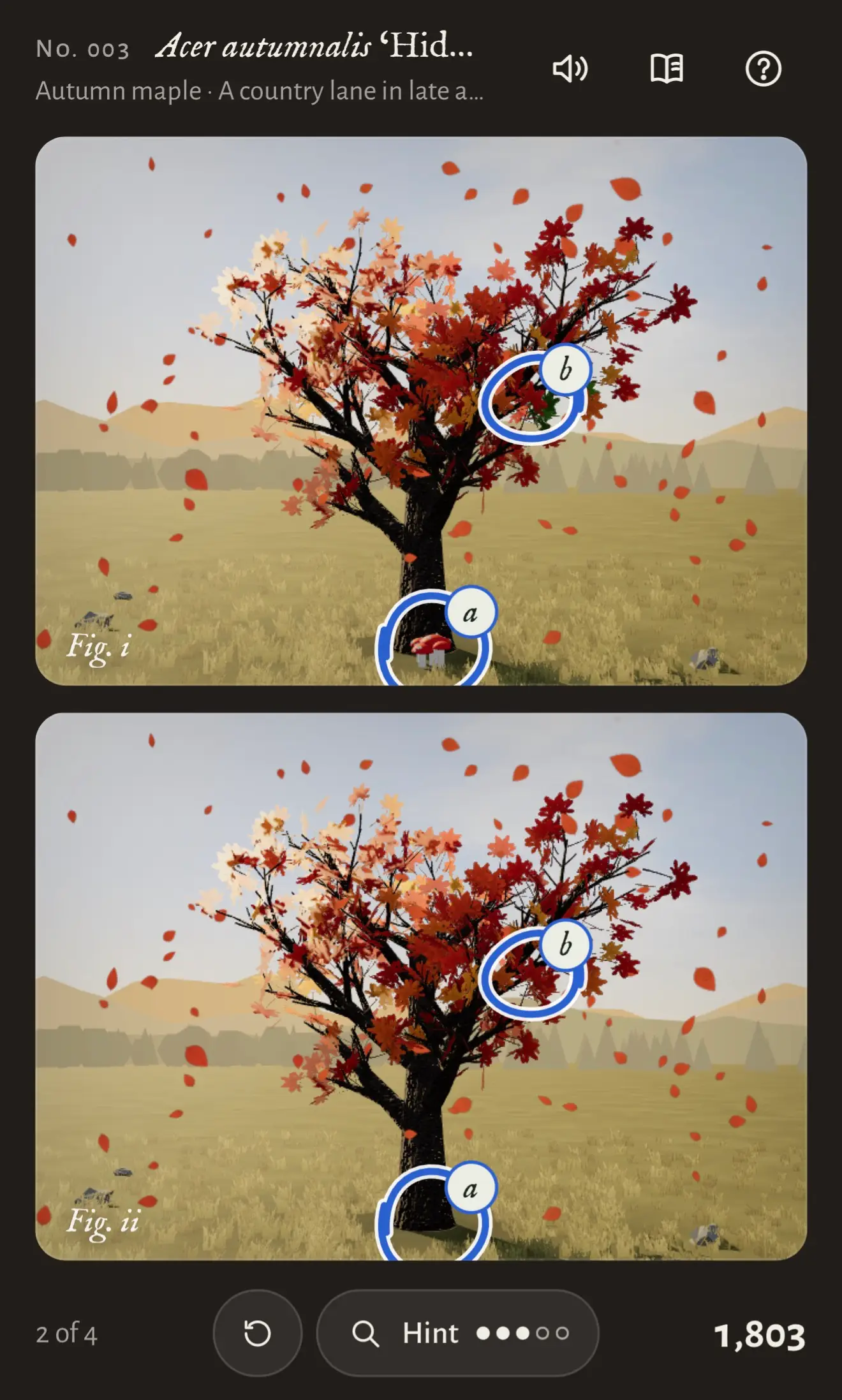
Simon Willison Codes a Game With One Prompt to Claude
A blogger proved that 'vibe coding' can produce a surprisingly polished Three.js game in just one conversation.